Dent 2026: Eric Mead on What Magic Reveals About Self-Deception
What if the smartest people are the easiest to fool, not the hardest?
As one of America’s most accomplished professional magicians, Eric Mead has spent a career making people doubt what they have just seen. Objects vanish, reality distorts, and certainty evaporates, not through anything supernatural, but through a precise understanding of attention, expectation, and the reliable patterns of human perception. The gap between what people believe they experienced and what actually happened is remarkably consistent, and remarkably wide.
That gap does not exist only on stage or at the magician's table. At Dent 2026, Mead draws a line from his experience as a professional magician to our shared experience of everyday life. Misdirection, false assumptions, and personal biases shape what people believe in politics, sport, religion, nature, and their own private reasoning. Through the lens of a performing magician, many of our cherished convictions are, and should be, held in doubt. Things are rarely what they seem.
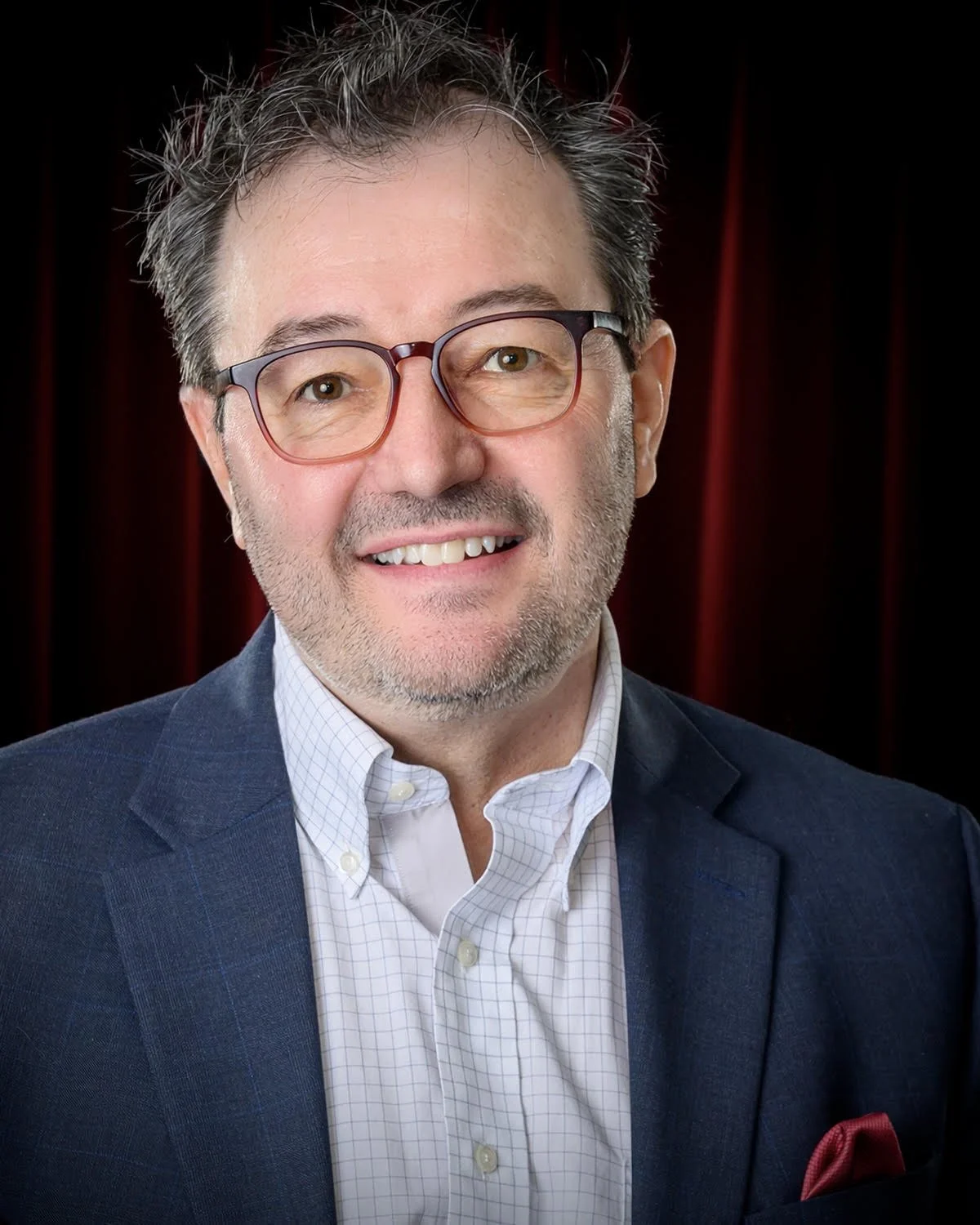
Eric Mead, professional magician, joins us at Dent 2026.
The sharpest observation may be about intelligence and expertise. Most people assume that smart, expert people should be the hardest to fool. Mead argues the opposite. Intelligence and expertise can make people more confident that they are right, more certain of their own position. Certainty, as any magician knows, is itself a kind of illusion.
At Dent Santa Fe, you will find entrepreneurs, executives, and creatives who trust their own judgment every day. Eric Mead spends his career showing why that trust deserves a second look. His talk asks attendees to sit with an uncomfortable question: how much of what you believe is built on evidence, and how much is built on the confidence of believing it?
Mead joins a lineup of Dent 2026 speakers who each bring a different lens on how people think, decide, and act. Dent runs September 13-15 at La Fonda on the Plaza in Santa Fe, three days built around talks, workshops, and conversations with people who spend their careers studying the questions the rest of us only ask in passing.